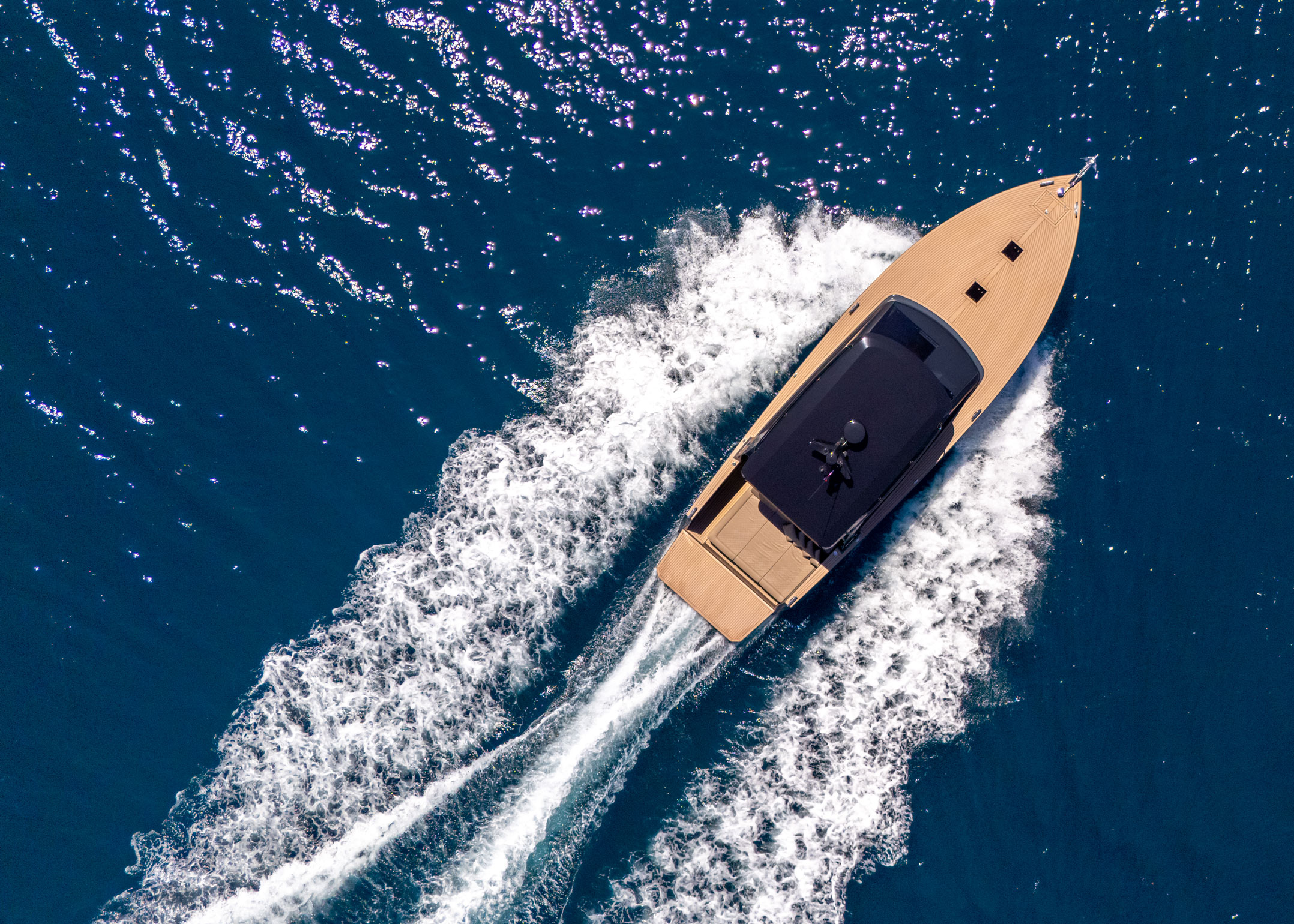
Ownership · Bonus depreciation
The first year
does the heavy lifting.
Structured as a business asset and put to work, a Colnago can qualify for 100% first-year bonus depreciation. It is the single largest financial lever in the whole ownership conversation, and it has a closing date.
§ 01 — The provision
100% in year one,
not spread over ten.
What it does
Bonus depreciation has been reinstated at 100% for qualifying business assets, and vessels are among them. Rather than writing the boat down over many years, an eligible owner may deduct the qualifying portion of its cost against income in the first year it is placed in service.
The vessel may be new or pre-owned. What matters is that it is new to you as the taxpayer.
The window
The provision applies to vessels placed into service between 20 January 2025 and 31 December 2029. Placed in service is the operative phrase — not ordered, not paid for.
- Opens
- 20 Jan 2025
- Closes
- 31 Dec 2029
- Build time
- 8–18 months
A hull ordered late in the window may not be in the water inside it. If the deduction matters to your case, the build slot and the deadline need to be planned together.
§ 02 — Eligibility
Four things
have to be true.
- Owner
- A US taxpayer
- Entity
- A domestic LLC or corporation
- Use
- Over 50% income-generating
- Vessel
- New or pre-owned new to the taxpayer
Some owners hold vessels through foreign entities for legal or operational reasons. A US-based entity is generally the cleaner path to eligibility and attracts less scrutiny.
§ 03 — Putting it to work
The boat has to
earn its keep.
Charter programme
The most common route. The vessel goes into a professional charter operation run with genuine intent to generate revenue, and the charter income establishes the business use.
Structured shared use
A shared-ownership model operated on the same commercial footing. The Members Club is built this way — five fractional owners plus Colnago USA, managed out of Fort Lauderdale.
§ 04 — Worked example
What the numbers
can look like.
A $3.5m vessel at 70% business use
Illustrative only, and drawn from the current bonus depreciation guidelines. The real figure depends on your tax bracket, your wider financial position and how the ownership is structured.
Why it matters
Accelerated depreciation of this size can materially change the first-year cost of ownership — and, combined with charter revenue, the shape of the whole holding period.
It is also the reason the structure should be settled before you sign, not after. Retrofitting a business case to a boat already bought personally is the hardest version of this conversation.
§ 05 — Keeping it
Claiming it is one thing.
Holding it is another.
01
Market it properly
The vessel should be actively and visibly marketed for charter, not nominally available.
02
Price it competitively
Charter rates should stand up against comparable vessels in the same market.
03
Keep the records
Detailed financial and operational records, with every trip and every day of use tracked.
04
Contract and collect
Written charter contracts, invoiced and actually paid. Demonstrable business intent is the whole test.
We are not your accountant and none of this is tax advice. It is a summary of how the provision is generally applied, written so you know which questions to ask. We will happily introduce you to a marine CPA who structures these every week, and you should take their view before committing to anything.
Published 2026-09-30 17:20 UTC
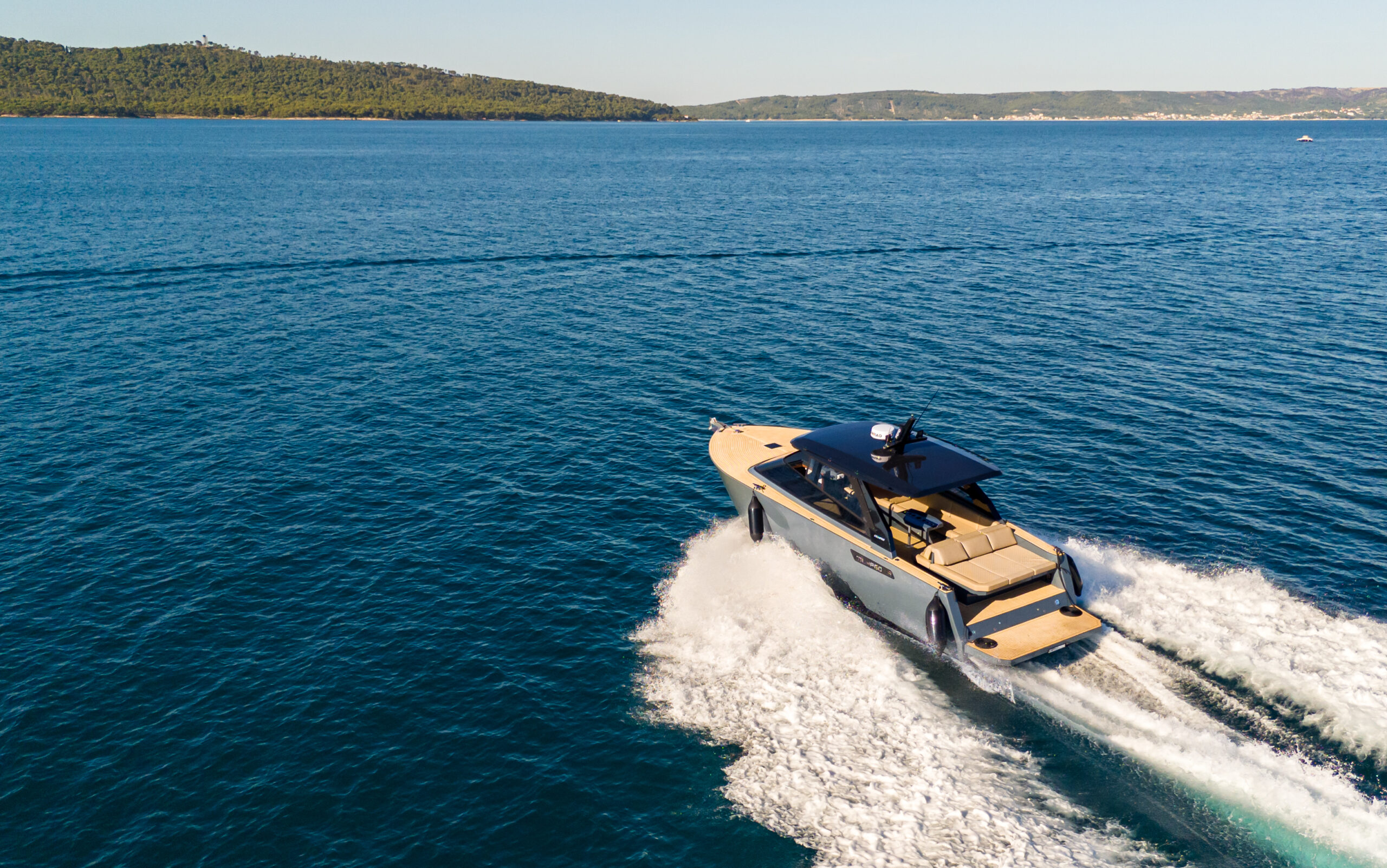
2026 allocation — 15 build slots a year
Bring your CPA
into the conversation.
Tell us how you intend to hold and use the boat, and we will put you in front of someone who does this for a living — before you commit to a slot.
Book a configuration call →